The implementation and use of Digital Signage solutions has become an integral part of modern business strategy, a powerful tool for reducing costs and increasing profitability in Retail, HoReCa, Banking, Entertainment, Pharmacy, and other industries. One of the key tasks and strategic decisions when launching such projects is the choice of screen type. It should be noted that investments in screens constitute a significant part of the budget for implementing Digital Signage in any business area. At first glance, you might get the “wrong impression” that all TVs look the same, but the cost of a consumer TV and a professional panel can differ several times over. Why is this so, and how do you choose the optimal model, brand, or panel size that is best for your project? So, there are several categories of TVs, but let’s look at the three main ones:
- Household televisions or SMART TVs;
- Commercial displays (16/7);
- Professional panels (24/7).
There are more TV classifications, but we will focus on these three because the vast majority of Digital Signage implementation projects are based on them. The choice of one or another category of panels directly affects the stability of operation, service life, brand image, and most importantly, the return on investment (ROI).
Conventional TVs or SMART TVs
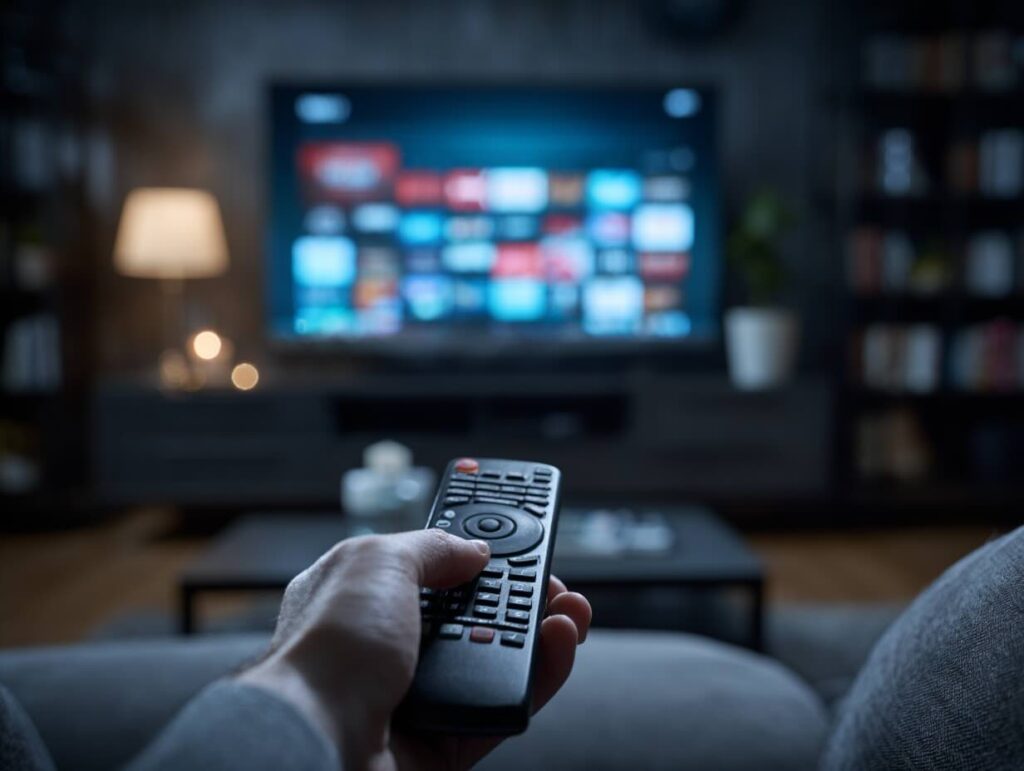
Advantages: Low purchase price. Wide range of models available. Easy connection (Wi-Fi/Ethernet, HDMI port for connecting a DSGO.pro media player if no OS is available).
Disadvantages: Not designed for continuous daily use. No reinforced casing or cooling system. Limited warranty (usually does not cover commercial use). Not suitable for use in brightly lit or unstable conditions.
Suitable for: Small HoReCa locations operating 6-8 hours a day, office premises, educational or medical institutions.
ROI: Taking into account the risk of premature failure, the payback period is often equal to or exceeds 18-24 months, with the risks of warranty issues increasing as early as 6-12 months.
Commercial displays (16/7 operating mode)
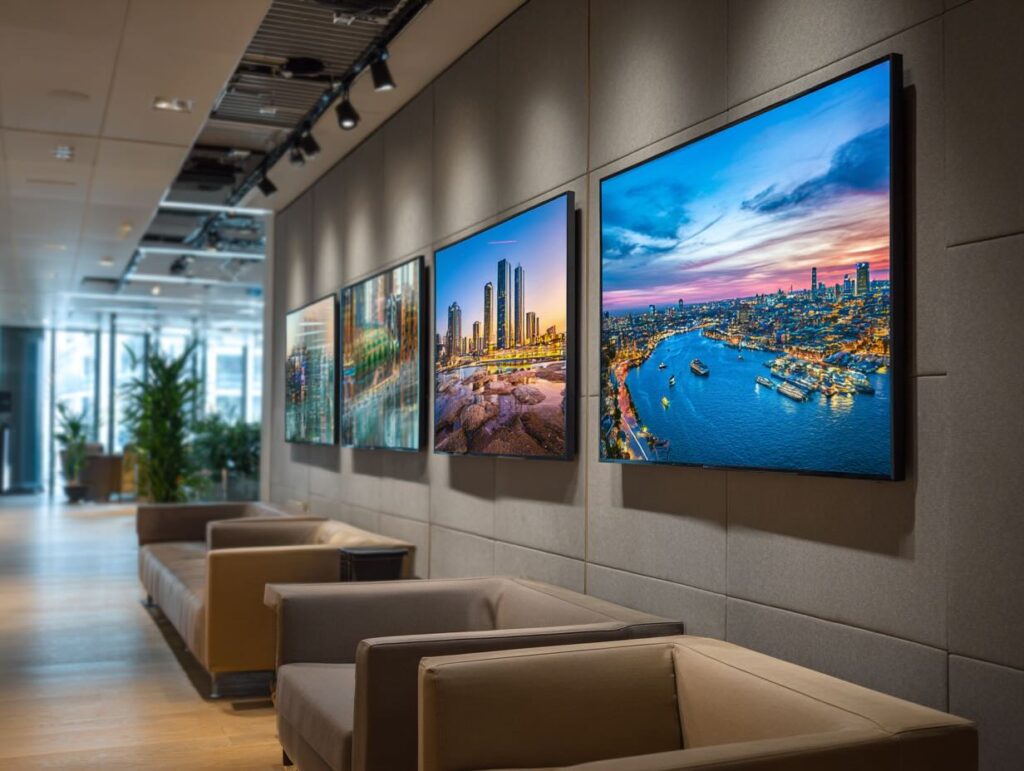
Advantages: Reliability and stability in daily use. Extended warranty up to 36 months (depending on the manufacturer and technical characteristics). Optimized energy consumption. Better brightness and viewing angle than in household appliances.
Disadvantages: Higher price compared to consumer TVs. Not recommended for 24/7 operation.
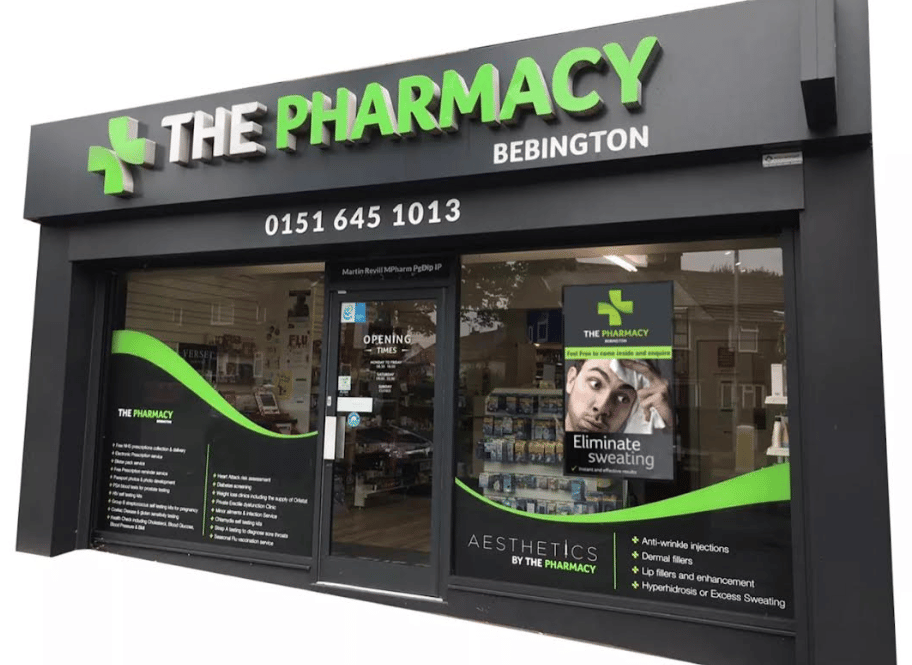
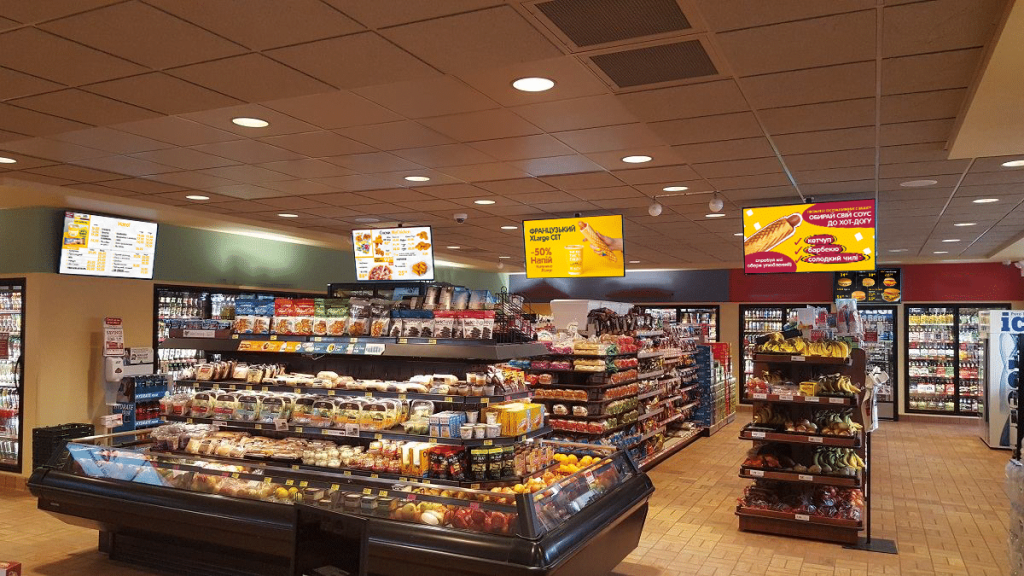
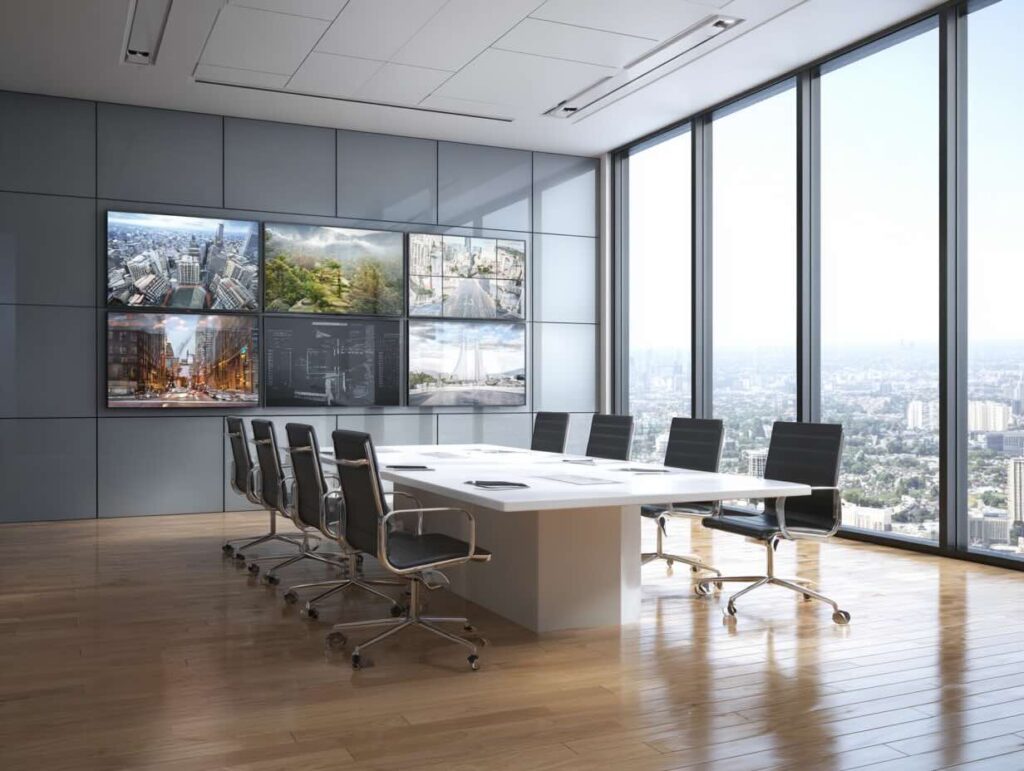
Suitable for use in: Retail spaces, pharmacies, checkout areas operating up to 16 hours a day, budget video walls, digital menus in stores and food courts.
ROI: Typically 12-16 months. Optimal price/reliability ratio for most medium-scale Retail and HoReCa projects.
Professional panels (24/7 operation mode)
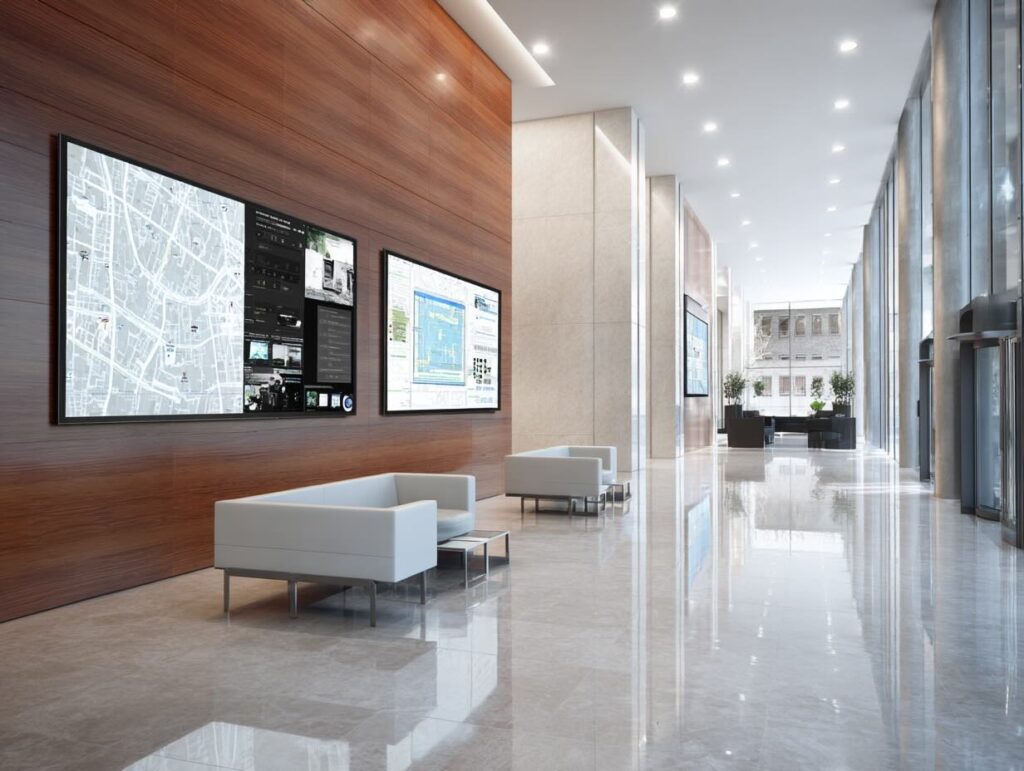
Advantages: Designed for continuous 24/7 operation. Increased brightness, vandal-proof glass, and protection against dust and overheating. Vertical mounting option (Portrait Mode). Narrow frame for creating impressive video walls or digital menus. Extended warranties (up to 5 years depending on the manufacturer and model). Integration with corporate content management systems (DSGO.pro).
Disadvantages: High cost of equipment. Requires qualified assembly/installation.
Suitable for use: 24-hour gas stations, fast food restaurants, transport, pharmacies, etc. Locations with high traffic and load.
ROI: The return on investment period is 18-24 months, but the panel’s service life is over 5 years. Ideal for stable, long-term projects with a high ROI in the long term.
Practical case: Implementation of a digital menu for a retail chain with 10 locations
Task: Create a digital menu and advertising screen system for a medium-sized supermarket.
Equipment for one location:
- 3 x 43″ horizontal screens (digital cooking menu)
- 1 x 32″ vertical screen near the coffee machine
- 2 x 55″ horizontal screens in the shopping area
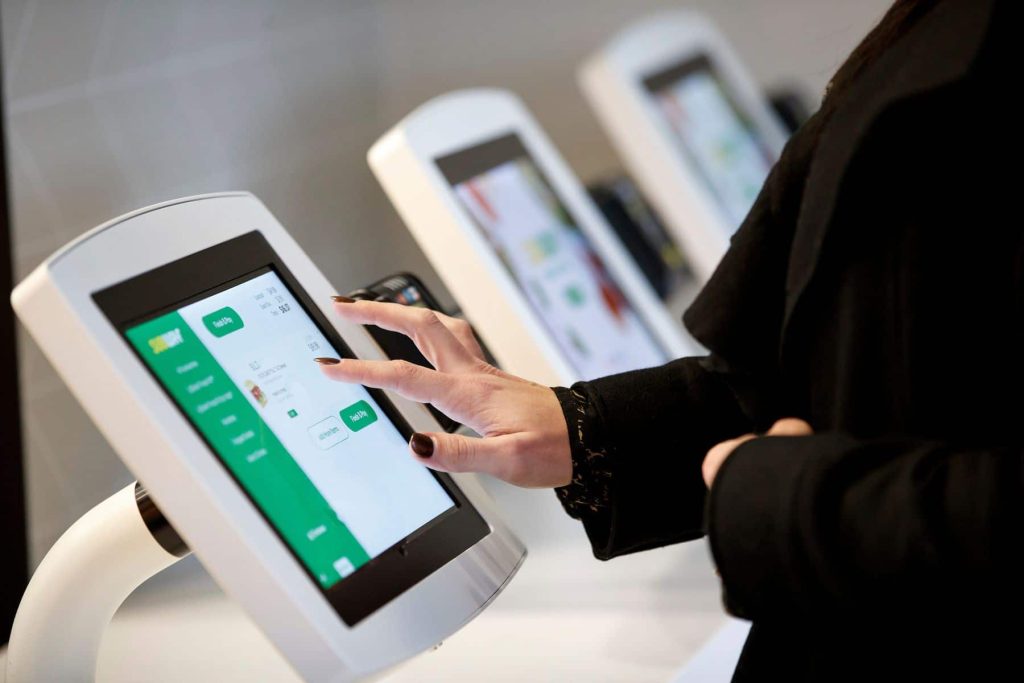
- 4 x 55″ vertical screens near the ticket offices
Total number of screens per location: 10
Total number of screens for the entire project (10 locations): 100
Implementation options:
| Screen type | Unit cost (€) | Cost of the entire network | Expected service life | ROI (approximate) |
| Household or SMART TV | 250–300 | €25,000–30,000 | 1–2 years | 18–24 months |
| Commercial 16/7 | 400–500 | €40,000–50,000 | 3–4 years | 12–16 months |
| Professional 24/7 | 600–900 | €60,000–90,000 | 5+ years | 18–24 months |
Recommendation:
For retail chains with heavy traffic and active operating hours (16-18 hours a day), commercial 16/7 displays are the optimal choice, providing a balance between quality, cost, and durability. In certain areas with increased traffic (checkout areas, coffee stations), it is worth using professional 24/7 panels.
Conclusions:
When choosing equipment for Digital Signage implementation projects, it is important to evaluate not only the initial price, but also the cost of ownership, stability, support, and compatibility with management platforms (e.g., DSGO.pro). A solution that seems cheaper at the start can lead to rapid wear and tear, downtime, and additional costs.
Innovative DMC specialists will always help you develop a balanced project that takes into account your tasks, budget, and strategic business goals.