You walk into a restaurant and haven’t yet decided what to order. Then, from a screen, a large, mouthwatering burger, a fresh “smelling‑of‑summer” salad, an enticing dessert stare temptingly back at you. Even if you only came for coffee, there’s a high chance you’ll order a few dishes!
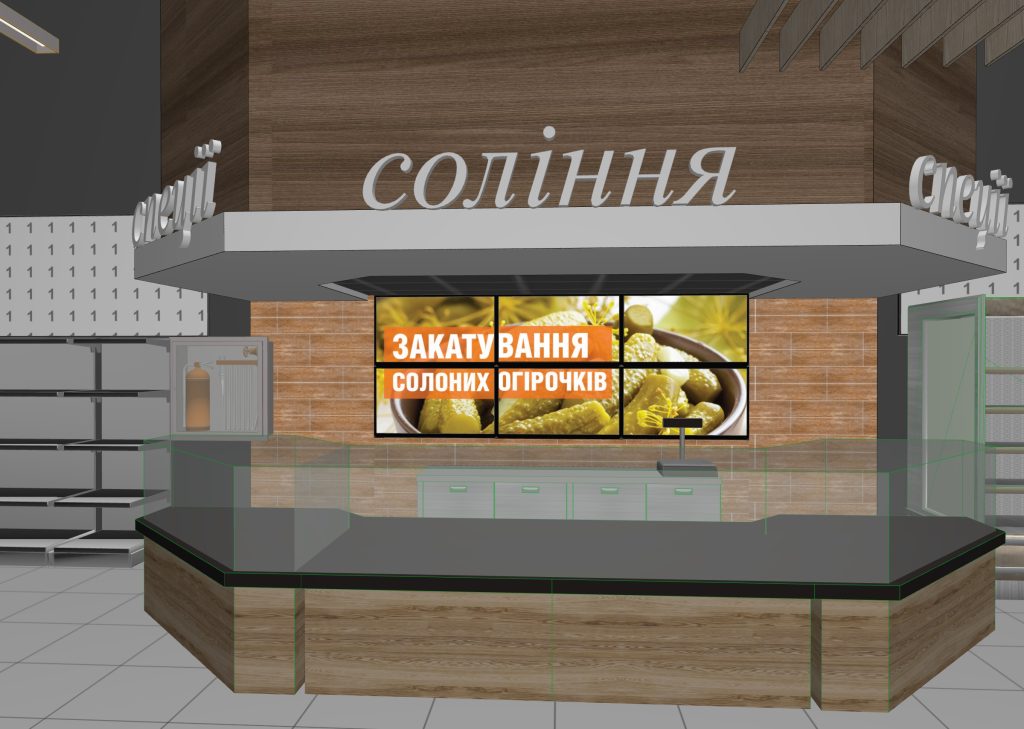
“An impulsive action, decision or purchase” is one of the most common and effective ways restaurants boost sales. Using digital menus significantly helps venues increase profitability and cut costs. Replacing static citylights with digital ones, for example in a self‑service restaurant, typically pays back in 18–26 months. A well‑built marketing strategy and use of digital menu boards form the basis for:
- an increase in the number of transactions;
- an increase in average check value and the number of checks;
- growth in sales of high‑margin goods and services;
- an increase in sales of combo offers and special promotions;
- a reduction in decision‑making time for purchases.
Digital Signage in action!
Proven by five years of Innovative DMC’s experience! The use of Digital Signage & Interactive Technology in the restaurant business contributes to sales growth of 20% and increases average check size by 15%.

Effective solutions can be implemented using:
- digital signage;
- digital menu boards (dynamic digital menus);
- cash‑box monitors (pre‑checkout monitors);
- touch monitors;
- external displays;
- ambiance monitors.
Innovative Digital Signage solutions draw the attention of café and restaurant guests. But most importantly for owners, they provoke visitors to make spontaneous purchases and orders. Food styling accomplishes this task brilliantly — and we’ll explain how!
Food stylists in the service of Digital Signage technologies
Planning to modernize your restaurant with Digital Signage & Interactive Technology? Then you’ll be interested to know how that “tasty” content that tempts even those on a diet is created.
Amazingly, when shooting almost any advertised food product, the real item is often not used.
What can be used instead to make the photo look perfect?

- Beer — actually tea, apple juice, vegetable oil or water dyed the right color. Beer foam is made from laundry detergent, household cleaners or shaving foam. The foam is prepared separately and then placed on the drink. Glasses are also treated: mastics and sprays are used to create droplets.
- Ice cubes — made from gelatin, glass or acrylic. They hold their shape, shine and can remain in a warm drink (juice, beer or soda) much longer than real ice.
- Juice — plain water with food coloring.
- Mayonnaise — mayonnaise mixed with lime; the result is a light sauce that pours attractively.
- Coffee — non‑carbonated cola (when actors “drink” it) or colored vegetable oil (used when filming pouring coffee).
- Candies and pastries — prop wooden sweets made oversized or specially manufactured large pieces for advertising.
- Yogurts, sour cream and milk — PVA glue diluted to the required consistency.
- Berries and nuts — plastic replicas coated with lacquer for a glossy shine.
- Ice cream — plastic, gel or silicone mass shaped and colored to look like real ice cream; it’s porous and textured but won’t melt.
- Liquid chocolate — colored PVA glue.
- Fruits, vegetables and greens — real! But don’t jump to conclusions: first, they are carefully selected so only the best specimens are used; second — and most interesting — they are sprayed with glycerin drops to imitate dew (a primary sign of freshness).
- Steam above coffee or hot dishes is created with computer graphics or cotton balls moistened and warmed in a microwave. Aromatic sticks can also be used for effect.
- Ice flakes on fish and meat — a special chemical compound that imitates ice and doesn’t melt.
- Frosting — hairspray and salt applied to a bottle or meat/fish products.
Composing food arrangements

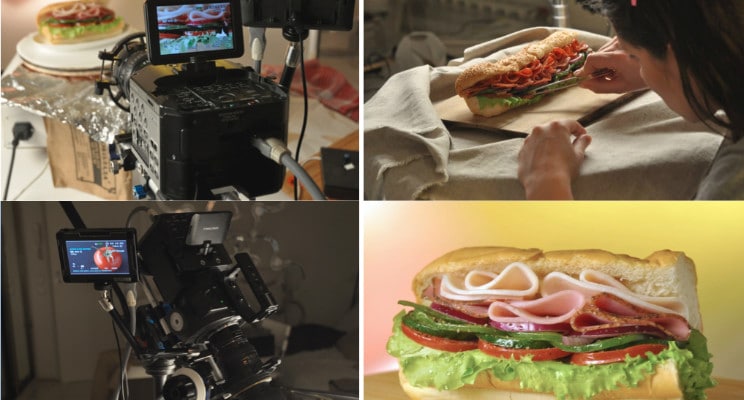
Creating dishes — burgers, lasagna, dumplings and other delicacies — is high art in food styling. If you’ve ever photographed food, you’ve noticed it doesn’t always look appetizing in photos. Food stylists know this, and here are the tricks they use so we want to eat immediately!
- Burgers and sandwiches are secured with toothpicks so they don’t fall apart. To prevent lettuce from going dark from the greasy meat, a piece of cardboard is placed between them.
- Dumplings for advertising are prepared separately. They contain no meat that could show through and create dark spots. Salt is used instead of filling.
- Lasagna — one of the complex dishes in food styling. All layers are assembled in a box that is then cut. The photographer’s task is to shoot as quickly as possible before the “model” falls apart.
Each dish has its specifics. Food stylists possess all the secrets and make food look delicious and appetizing. Even a stale pie will appear fresh if dusted with hairspray.
Innovative DMC — creating tasty content
Food styling is the key to producing high‑quality and effective content for digital menu boards and videos in concession bars, at the checkout or the bar. And content, in turn, is the main tool of Digital Signage!

Our company provides a full range of content creation services for cafés, restaurants, pizzerias and fast‑food outlets. Innovative DMC’s content provisioning includes:
- development of digital menu videos;
- professional photo and video shooting;
- 2D/3D animation;
- graphic design;
- production and postproduction.
In addition to content provisioning, our company:
- develops software and hardware for centralized content management (audio, video, interactive) on LCD monitors and other devices;
- performs system integration, sells and installs monitors and video walls; carries out commissioning and technical maintenance;
- provides consulting services on implementation and monetization of digital technologies in Retail, FMCG, HoReCa, Entertainment and other sectors.
Want to know how we implement projects? We recommend reading about Innovative DMC’s own development — iDS® software and the ODROID‑C2 media player.